Is the National Museum of Japanese History Worth the Trip from Tokyo?
Japan's largest history museum is not in Tokyo at all. It sits in Sakura, Chiba, about an hour out on the Keisei line, and locals know it simply as Rekihaku. Here is what the trip involves, what six galleries of Japanese history actually look like, and how a specialist historian changes the visit.
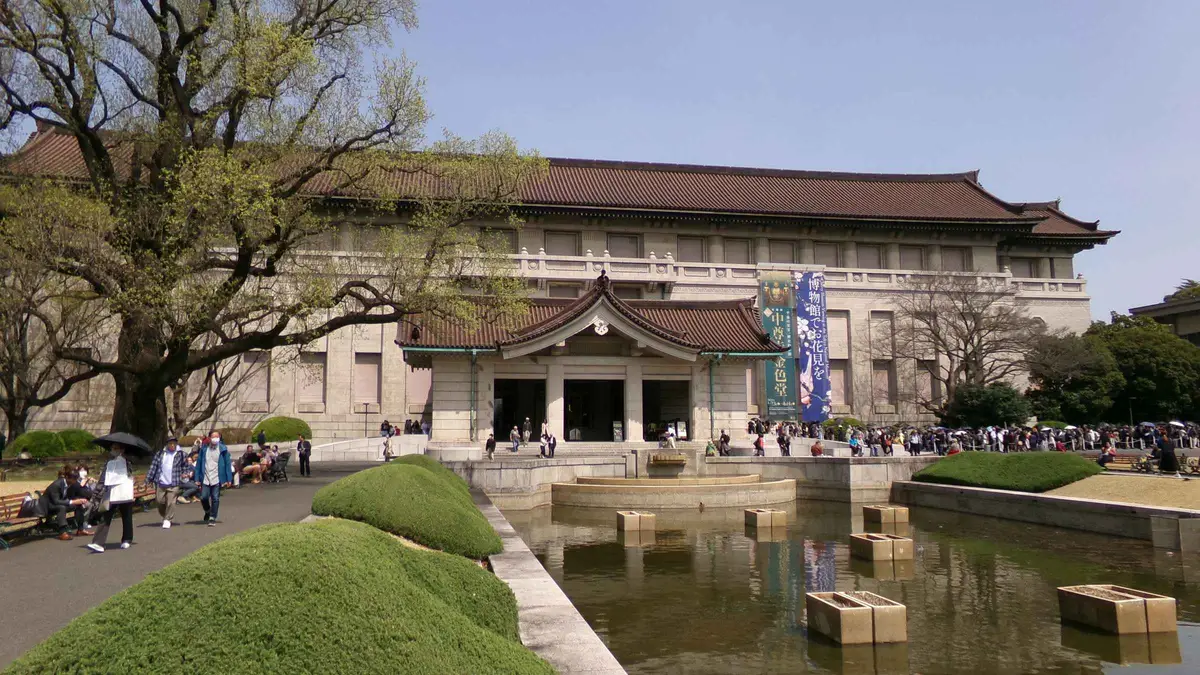
About This Experience
Sakura, Chiba, on the grounds of the former Sakura Castle. This is a day trip, not a stop in central Tokyo.
About an hour from Ueno on the Keisei line, then a 15-minute walk from Keisei Sakura Station. Transportation is not included in the tour.
Open 9:30 to 17:00, until 16:30 from October through February. Closed Mondays.
Door admission is about ¥600. The 3-hour guided tour on this page is $65 and includes the historian's time inside the galleries.
The tour departs within the museum itself, so you make your own way to Sakura and meet your guide there.
Three hours with the guide, plus roughly an hour of travel each way. Treat it as most of a day.
Check Live Availability & Prices
Dates for the historian-led tour open up on a rolling basis, so check your travel window early.
Is the National Museum of Japanese History Worth It?
Start with the honest part: the National Museum of Japanese History is in Sakura, Chiba, about an hour from Ueno on the Keisei line and a 15-minute walk from Keisei Sakura Station. It is not a museum you slot between Shibuya and dinner. It is a deliberate trip, and the payoff is scale. Six permanent galleries run from Paleolithic Japan through Edo to the postwar era, with tens of thousands of artifacts and the meticulous full-scale and scale reconstructions the museum is famous for.
The question is whether to go alone or with the specialist. Door admission is about ¥600, so the museum itself is cheap. The $65 tour buys you a historian who walks the galleries with you for three hours, which matters here more than at most museums because Rekihaku's strength is depth. Labels can only carry so much of ten thousand years of history; a specialist connects the reconstructions and artifacts into one continuous story. It is a new listing, so there is no long review record yet, but the format is simple and hard to get wrong: one expert, one museum, three hours.
There is also a routing trick that makes the distance work for you. Sakura sits on the Keisei line between Tokyo and Narita Airport, so the museum works well as a final-day stop before an evening flight. If your itinerary keeps you central instead, the rest of Tokyo's history museums cover the Edo period without leaving Tokyo.
What You'll See
The galleries move chronologically, and the reconstructions are the museum's signature: entire scenes rebuilt at full scale or in painstaking miniature rather than rows of objects behind glass.
- Paleolithic and Jomon-era settlements reconstructed in detail
- Scale models of ancient capitals and early towns
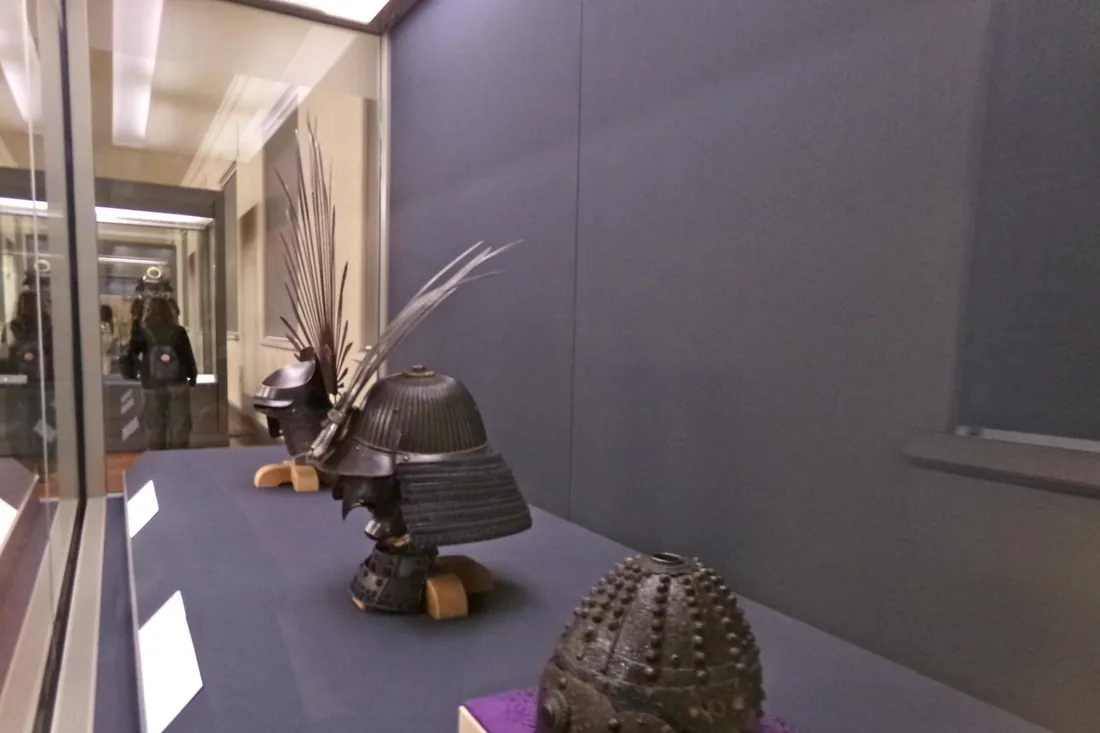
- Samurai armor and helmets displayed in glass cases
- Edo-period urban life rebuilt street by street in miniature
- The Meiji transformation, when Edo became modern Japan
- Postwar galleries covering everyday life into the modern era
- The surrounding park on the former Sakura Castle grounds
How a Visit Flows
-
Before you go
Pick a non-Monday and book the tour
The museum closes Mondays. Book the historian-led tour for a morning slot so the three hours end with the afternoon still open.
-
On arrival
Keisei line to Sakura
Ride the Keisei line about an hour from Ueno to Keisei Sakura Station, then walk 15 minutes to the museum on the old castle grounds.
-
First stop
Meet your historian inside
The tour departs within the museum. Your guide sets the route through the six permanent galleries, starting with prehistoric Japan.
-
Next
Three hours, gallery by gallery
The historian moves chronologically through the reconstructions and artifacts, pacing the visit so the Edo and modern galleries get real time rather than a tired walk-through.
-
Before you leave
The castle park, then your train
Walk the former Sakura Castle grounds around the museum, then head back toward Tokyo, or continue down the Keisei line to Narita if it is your last day.
Know Before You Go
Not suitable for
- Travelers with only one or two days in Tokyo
- Young children with limited patience for long gallery visits
- Anyone expecting a quick stop; the trip takes most of a day
What to bring
- An IC card or Keisei line tickets for the ride from Ueno
- Comfortable shoes for three hours of gallery walking
- Yen for the ¥600 door admission and the museum cafe
- A light layer, since gallery climate control runs cool
Not allowed
- Flash photography in the galleries
- Food and drink inside the exhibition rooms
- Large luggage on the gallery floors; use lockers or station storage
Insider Tips
A few things that make the Sakura trip run smoothly.
- Schedule it for your last full day: Sakura sits on the Keisei line between Tokyo and Narita, so the museum pairs naturally with an airport run.
- From October through February the museum closes at 16:30, so start by early afternoon at the latest.
- Take a morning tour slot and you will have the quietest galleries; weekday mornings here are calm.
- Budget the full three hours plus travel. Rushing Japan's largest history museum defeats the point of coming out.
- Leave 30 minutes for the park on the former castle grounds; it is a pleasant reset before the train back.
- If Monday is your only free day, save Rekihaku for another trip and pick one of the daily-open attractions in central Tokyo instead.
Where You're Headed
National Museum of Japanese History FAQ
Where exactly is the National Museum of Japanese History?
In Sakura, Chiba Prefecture, not central Tokyo. It is about an hour from Ueno on the Keisei line, then a 15-minute walk from Keisei Sakura Station, on the grounds of the former Sakura Castle.
Is it worth the trip from Tokyo?
For anyone genuinely interested in Japanese history, yes. It is Japan's largest history museum, with six galleries running from Paleolithic Japan to the postwar era and reconstructions you will not see elsewhere. If your trip is short and packed, the central Tokyo museums are the more efficient choice.
How long do you need at the museum?
Plan on three hours in the galleries, which is exactly what the guided tour covers. With about an hour of travel each way from Tokyo, the visit fills most of a day.
Is it a good stop on the way to Narita Airport?
Yes, and this is the smartest way to schedule it. Sakura sits on the Keisei line between Tokyo and Narita, so the museum works as a final-day stop before an evening flight.
How big is the museum?
It is Japan's largest history museum, known locally as Rekihaku, with six permanent galleries and tens of thousands of artifacts alongside meticulous full-scale and scale-model reconstructions.
How much does it cost?
Door admission is about ¥600. The 3-hour tour with a specialist historian is $65 and meets inside the museum; travel to Sakura is not included.
When is it closed?
The museum closes on Mondays. Otherwise it opens 9:30 to 17:00, shortening to 16:30 from October through February.
What Visitors Say
Our historian guide turned six enormous galleries into one clear story. The scale models of Edo alone were worth the train ride from Ueno.
We did this on our last day before flying out of Narita and the routing worked perfectly. Three hours felt right, and the guide answered every question we had about the samurai galleries.
A long day but a rewarding one. I would not have understood half of what I was looking at without the guide. The walk through the castle park afterwards was a nice quiet finish.