Is the Fukagawa Edo Museum Worth Visiting?
The Fukagawa Edo Museum rebuilds an entire 1840s riverside neighborhood indoors: tenement houses, shops, a canal boat, even cats on the roofs, with lighting that cycles from dawn to dusk. It is small, local, and far less visited than the big Ryogoku museum, which is exactly its charm. Here is how a visit works, what it costs, and when a guide is worth adding.
About This Experience
1-3-28 Shirakawa, Koto City, Tokyo
3 minutes from Kiyosumi-Shirakawa Station (Hanzomon and Oedo lines)
Roughly 9:30 to 17:00, last entry 16:30
The 2nd and 4th Mondays of the month
¥400, also covered by the Grutto Pass
1 to 1.5 hours for the whole museum
Check Live Availability & Prices
Dates for the guided Edo experience open and fill by season, so check your travel days early.
Is the Fukagawa Edo Museum Worth It?
First, the honest part: this is a small museum. One recreated neighborhood under one roof, and 1 to 1.5 hours covers it properly. If you measure museums by square footage, the big Ryogoku museum wins. But nowhere else in Tokyo lets you step off a modern street and into a working 1840s block, walk into the tenement rooms, pick up the household objects, and hear the soundscape shift as the lighting rolls from morning to nightfall.
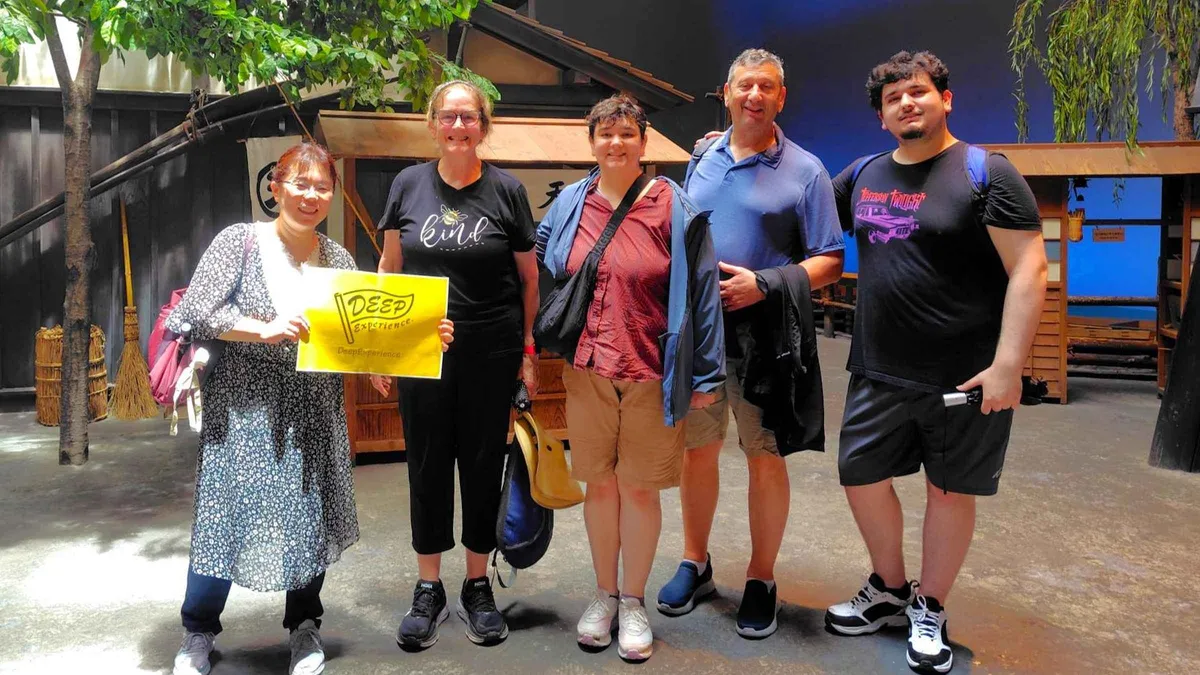
You have two ways in. The door ticket is ¥400, one of the best-value tickets in the city, and volunteer guides inside tell the stories of each household as you wander. Or take the 1.5-hour guided Edo experience for $65, which adds an English-speaking guide who walks you through the architecture, the craft, and the daily life behind every doorway. On your own, it is a charming set. With a guide, each room turns into somebody's story: what the shopkeeper sold, why the boatman lived where he did, what the fire tower was for.
The Fukagawa Edo Museum is also two stops from the Edo-Tokyo Museum on the Oedo line, so the pair makes a natural history day. If you are still deciding which of the city's collections deserve your time, the full rundown of Tokyo's museums puts them side by side.
What You'll See
The museum is one continuous streetscape, so you see everything by simply walking it. These are the moments that stay with visitors.
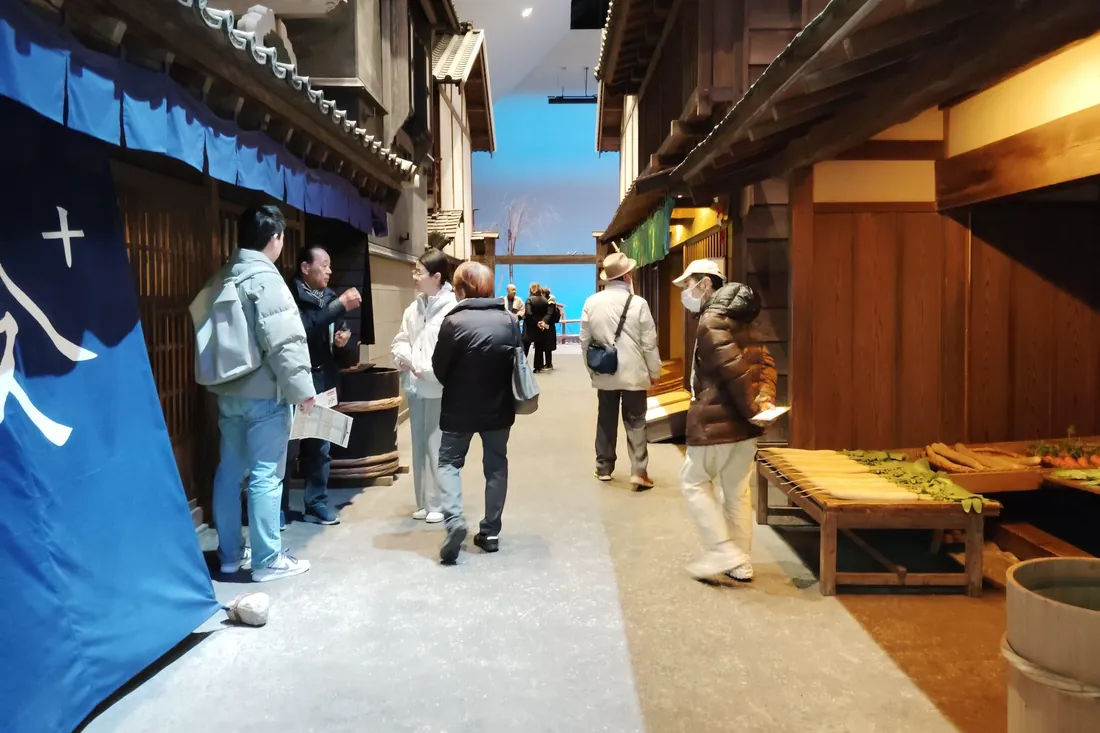
- The full 1840s riverside block laid out below the entrance balcony, your first view of the whole neighborhood
- Tenement houses you can actually enter, with bedding, tools and kitchens set as if the residents just stepped out
- A canal boat moored along the recreated waterway, the working heart of old Fukagawa
- Shops stocked with period goods: a rice dealer, a vegetable seller, a tempura stand
- Cats perched on the rooftops, a small joke the museum plays on observant visitors
- The lighting cycle that moves the whole street from dawn to dusk, with sound to match
- Everyday objects you are allowed to handle, rare in any museum
- Volunteer guides who tell the stories of each household as you pass
How a Visit Flows
-
Before you go
Pick your date around the closure days
The museum closes on the 2nd and 4th Mondays of the month. If you want the guided experience, book it once your Tokyo dates are fixed; the small group format keeps slots limited.
-
On arrival
Ride to Kiyosumi-Shirakawa
Take the Hanzomon or Oedo line to Kiyosumi-Shirakawa Station. The museum is a 3-minute walk, and the surrounding streets are a pleasant, low-rise slice of the old shitamachi east side.
-
First stop
Take in the street from above
You enter overlooking the whole recreated block. Pause here. Watching the light cycle sweep across the rooftops before you descend is the best introduction the museum could ask for.
-
Next
Walk the neighborhood door by door
Go inside the tenements, the shops, and down to the canal boat. Handle the objects that are set out. With the guide, this is where the architecture and the daily-life detail open up room by room.
-
Before you leave
Find the cats, then explore Fukagawa
Spot the cats on the roofs before you go. Outside, Kiyosumi-Shirakawa has gardens and coffee roasters nearby, or ride two stops on the Oedo line to the big Ryogoku museum for the full Edo-to-Tokyo story.
Know Before You Go
Not suitable for
- Travelers expecting a large, multi-wing museum; this is one compact neighborhood, done well
- Anyone tight on time on a 2nd or 4th Monday, when the museum is closed
- Visitors who prefer glass-case galleries over walk-through, hands-on spaces
What to bring
- Cash or card for the ¥400 door ticket, or your Grutto Pass
- A camera for the streetscape as the lighting shifts
- Shoes that slip on and off easily, in case a building interior asks for it
- Curiosity for small details; the museum rewards slow looking
Not allowed
- Rough handling of the objects; touch gently, they are part of the exhibit
- Food or drink along the recreated street
- Arriving after last entry at 16:30
Insider Tips
A few small moves make a modest museum feel like a discovery.
- Stay through at least one full lighting cycle; the dusk transition, with the sound shifting around you, is the museum's best moment
- Talk to the volunteer guides even without the tour; many speak some English and the household stories are the point
- Pair it with the Edo-Tokyo Museum, two stops away on the Oedo line, for one seamless history day
- Come on a weekday morning and you may have the whole street nearly to yourself
- Using the Grutto Pass? Entry here is covered, which makes the stop effectively free on a museum-heavy trip
- Leave time for the Kiyosumi-Shirakawa neighborhood after; the gardens and coffee shops match the museum's unhurried pace
Where You're Headed
Fukagawa Edo Museum FAQ
Is the Fukagawa Edo Museum worth visiting?
Yes, if you take it for what it is: a compact, walk-through recreation of an 1840s neighborhood rather than a big gallery. The ¥400 door ticket is excellent value, and it is a local favorite precisely because far fewer tourists find it.
How is it different from the Edo-Tokyo Museum in Ryogoku?
The Ryogoku museum is large and tells the sweep of Edo becoming Tokyo through models and exhibits. The Fukagawa Edo Museum is one life-size neighborhood you walk through and touch. They complement each other, and they sit two stops apart on the Oedo line.
How long does a visit take?
Plan on 1 to 1.5 hours. The guided Edo experience runs 1.5 hours and fills that time with architecture, craft and daily-life stories room by room.
When is the museum closed?
It closes on the 2nd and 4th Mondays of each month. Otherwise it runs roughly 9:30 to 17:00, with last entry at 16:30.
Can you touch the exhibits?
Yes, within reason. You can enter the buildings and handle many of the everyday objects set out inside, which is rare for any museum. Volunteer guides are around to show you how the tools and household items were used.
Do you need the guided tour, or is the door ticket enough?
The ¥400 door ticket works fine if you are happy to explore on your own with help from the volunteer guides inside. The $65 guided experience earns its price if you want the architecture and social history explained in English as you walk.
What Visitors Say
Our guide brought every room to life. She explained who would have lived in each tenement and let us pick up the tools and kitchen things. The light changing to evening while we stood in the street was my favorite moment in Tokyo.
Small museum but that is the appeal. Barely any other tourists, and you can actually go inside the houses instead of looking through glass. Found the cats on the roofs too. An easy pairing with the big museum in Ryogoku.
Ninety minutes was just right. The guide knew the carpentry and the daily routines of the old neighborhood in real depth. I would not have understood half of what I was looking at on my own.